
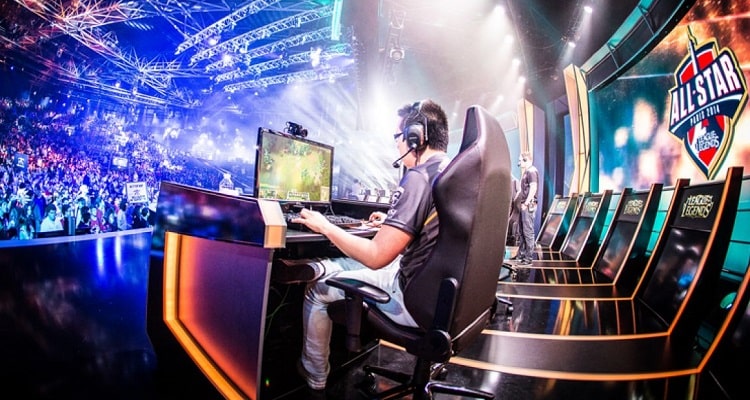
The Intricacies of eSports and Gaming Industry Marketing
The eSports and gaming industry, once a niche corner of entertainment, has evolved into a titan of the digital age. Its marketing landscape is a fusion of innovation, community engagement, and immersive storytelling. In this arena, marketing strategies are less about selling a product and more about cultivating a vibrant ecosystem that gamers can’t resist being a part of.
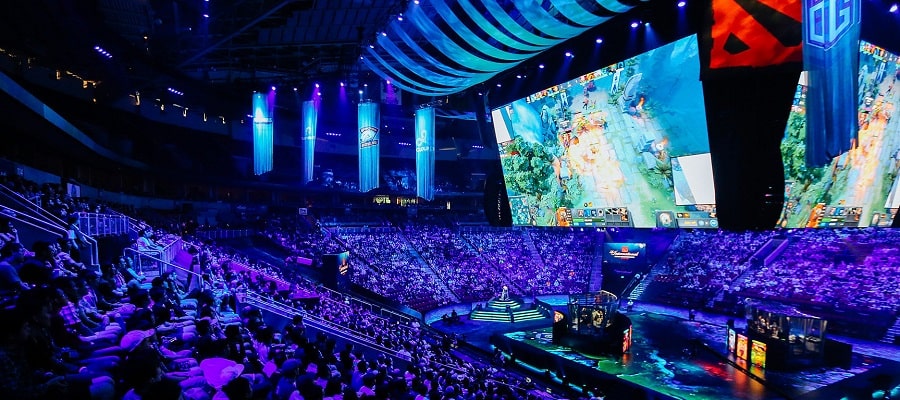
Marketing in eSports transcends traditional advertising, it is about fostering a culture and nurturing a global community. It’s a spectacle of live events, sponsorships, merchandise, and digital content. Brands within eSports harness the excitement of competition, using tournaments and team sponsorships to create narratives that attract viewers and players alike.
Basic Rules for Successful Game Promotion
Promotion within the gaming industry must follow certain unwritten rules to ensure success. A game’s marketing should arouse curiosity and sustain excitement from its initial announcement through to launch. This involves teasing content through trailers, engaging with fans via social media, and providing exclusive previews. Transparency and trust are equally important, making regular development updates and open communication with the gaming community essential parts of a successful promotional strategy.
Promotion of Mobile Games
Mobile games, with their vast and diverse audience, require tailored marketing strategies. App Store Optimisation (ASO) remains central to visibility, but effective promotion goes beyond inserting keywords into a listing. Marketers also refine titles, descriptions, icons, screenshots, preview videos, and localised creative assets so that each store page accurately reflects the game and appeals to users in a particular market. Product-page experiments can reveal which visual presentation produces stronger engagement and conversion, while custom store pages can highlight specific characters, modes, seasonal content, or gameplay features for different audiences. Paid app campaigns may then be optimised for measurable outcomes such as installs, pre-registrations, re-engagement, or valuable in-game actions. Performance data should be reviewed continuously, with changes based on evidence rather than assumptions, while clear descriptions and representative gameplay footage help set realistic expectations before download.
Advertising of Global Computer Games
The advertising of global computer games is an epic undertaking. It combines the allure of blockbuster movie campaigns with the personal touch of influencer marketing. High-quality trailers, strategic release timing, and partnerships with gaming influencers are part of a holistic approach. Brands often create experiences rather than just ads, such as interactive web content or augmented reality experiences, to give a taste of the game’s universe.
Streamers as One of the Marketing Tools
In the gaming world, streamers and content creators are invaluable allies for publishers and developers. Their live streams, playthroughs, and gaming content provide authentic user experiences to potential buyers. As trusted voices in the community, they have the power to elevate a game’s profile through their platforms, sometimes even becoming the face of the game itself.
Conclusion
Marketing in the eSports and gaming industry is a dynamic field where creativity and adaptability remain essential. It is an ecosystem-driven environment in which a major game release or tournament can become a significant social event, while streamers and influencers may rival traditional media in their ability to shape audience interest. As the industry continues to grow, marketing success will increasingly depend on understanding the gaming community and communicating with it in relevant, innovative, and authentic ways.
Last posts
-
 Log File Analysis for AI Bots: How to Chec...
AI crawlers are now a regular part of …
-
 Prediction Markets vs Bookmakers: How Kals...
Sports advertising in 2026 is no longer shaped …
-
 How to Turn the World Cup 2026 Attention S...
The FIFA World Cup 2026 ended on 19 …