
Sports Marketing Around Club World Cup 2025: What Brands Can Use in 2026
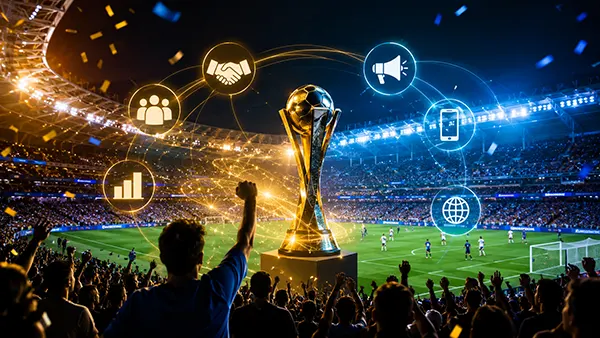
The FIFA Club World Cup 2025 represented a significant shift in global football marketing. With an expanded format, a larger number of participating clubs and increased international media coverage, the tournament created new opportunities for sponsors, broadcasters and consumer brands. As businesses plan their marketing strategies for 2026, the lessons learned from the competition offer practical insights into audience engagement, content distribution and long-term brand positioning. The event demonstrated how football can connect local communities with global audiences while creating measurable commercial value.
How Club World Cup 2025 Changed the Marketing Landscape
The expanded Club World Cup attracted attention far beyond traditional football markets. Clubs from Europe, South America, Asia, Africa and North America brought their own fan bases, allowing brands to communicate with diverse audiences through a single sporting event. This international reach made the tournament attractive for companies seeking visibility across multiple regions without investing in separate campaigns for each market.
Digital consumption played a central role throughout the competition. Fans followed matches through streaming services, social media platforms, mobile applications and official club channels. As a result, marketing campaigns were no longer limited to stadium advertising or television sponsorships. Brands that developed integrated digital strategies achieved broader engagement and maintained visibility throughout the tournament.
Another notable development was the growing importance of data-driven marketing. Sponsors increasingly analysed audience behaviour in real time, measuring engagement levels, viewing habits and content preferences. These insights allowed marketers to adjust campaigns quickly and deliver more relevant messages to specific segments of football supporters.
Audience Expansion Beyond Traditional Football Fans
One of the strongest outcomes of the tournament was its ability to attract casual sports viewers. The participation of globally recognised clubs such as Real Madrid, Manchester City, Flamengo and other leading teams generated interest among audiences who do not regularly follow domestic leagues. This broadened the potential customer base for sponsoring brands.
Younger consumers were particularly active during the competition. Short-form videos, match highlights and behind-the-scenes content performed strongly across social networks. Companies that adapted their messaging for these formats gained higher interaction rates compared to traditional advertising approaches.
The event also highlighted the importance of cultural localisation. Successful campaigns balanced global brand consistency with locally relevant content. Brands that acknowledged regional football traditions and fan culture often achieved stronger emotional connections with supporters.
Marketing Strategies That Delivered Strong Results
Partnerships with football clubs remained one of the most effective marketing tools. Rather than focusing exclusively on tournament sponsorship rights, many companies collaborated directly with participating teams. These partnerships enabled access to club-owned media channels, player appearances and exclusive content opportunities that extended beyond match days.
Influencer marketing continued to evolve during the tournament. Instead of relying solely on celebrities, brands increasingly worked with football creators, analysts and fan communities. These partnerships often generated higher trust levels because audiences viewed the creators as authentic voices within the football ecosystem.
Interactive content became another important factor. Polls, prediction games, fantasy competitions and fan challenges encouraged active participation. Rather than simply watching advertisements, supporters became part of the marketing experience, increasing engagement and brand recall.
Lessons From Successful Sponsorship Activations
Brands that achieved the strongest visibility generally focused on storytelling rather than direct promotion. Campaigns connected products and services with the emotions surrounding football, including loyalty, ambition, rivalry and community identity. This approach created stronger audience relationships than purely sales-driven messaging.
Real-time marketing also proved highly effective. Companies responded quickly to memorable moments, match outcomes and player performances. By publishing relevant content within minutes of key events, brands remained part of ongoing conversations across social media channels.
Many successful sponsors combined online and offline experiences. Stadium activities, fan zones and local viewing events were supported by digital campaigns that encouraged content sharing. This integration expanded campaign reach while strengthening audience participation.

How Brands Can Apply These Insights in 2026
In 2026, marketers can build on the foundations established during Club World Cup 2025 by investing in year-round football engagement rather than event-specific campaigns. Fans increasingly expect continuous interaction through club content, community initiatives and personalised digital experiences.
Artificial intelligence and advanced analytics are expected to play a larger role in sports marketing. Brands can use these technologies to identify audience preferences, optimise campaign performance and deliver more relevant content across different channels. However, authenticity remains essential. Automated tools should support human creativity rather than replace it.
Companies should also focus on long-term partnerships that align naturally with football culture. Consumers are becoming more selective about sponsorship relationships and often respond positively when partnerships demonstrate genuine commitment to communities, youth development or fan experiences.
Future Opportunities Emerging From Global Football Events
The growing internationalisation of football creates opportunities for brands operating across multiple markets. Global tournaments allow businesses to develop unified campaigns while adapting messages to local audiences. This balance can improve efficiency without sacrificing relevance.
Women’s football, youth competitions and emerging football regions are likely to receive greater commercial attention in the coming years. Brands that establish an early presence in these areas may benefit from lower competition and stronger long-term audience relationships.
The key lesson from Club World Cup 2025 is that modern sports marketing extends far beyond sponsorship logos. Successful campaigns combine data, storytelling, digital engagement and authentic fan experiences. Brands that apply these principles in 2026 will be better positioned to build trust, increase visibility and create lasting connections with football audiences around the world.
Last posts
-
 How to Turn the World Cup 2026 Attention S...
The FIFA World Cup 2026 ended on 19 …
-
Sports Marketing Around Club World Cup 202...
The FIFA Club World Cup 2025 represented a …
-
 Marketing Sports Academies: How to Attract...
Sports academies in 2026 operate in a highly …