

How Sports Partnerships Influence Trust in Online Casinos in 2026
In 2026, trust remains one of the most important factors for players when choosing an online casino. While licensing and security still matter, brand perception increasingly depends on visibility in familiar environments. One of the strongest signals comes from partnerships with sports teams, leagues, and athletes. These collaborations shape how users perceive reliability, transparency, and long-term commitment.
The Role of Sports Associations in Building Credibility
Sports partnerships act as a form of indirect verification. When a casino brand appears alongside a recognised football club or tournament, it benefits from the reputation already established in the sports world. For many users, this association reduces uncertainty, especially when entering a new site.
Some operators reinforce this perception through consistent branding and a structured gaming environment. A relevant example is Nolimit Way, where attention is given to game variety, usability, and clear navigation, all of which support a more predictable user experience.
In addition, visibility during live matches or official broadcasts creates repeated exposure. Over time, this familiarity strengthens brand recall and reduces perceived risk, which is particularly important for new users who rely on external cues when making decisions.
How Fans Transfer Trust from Sports to Casinos
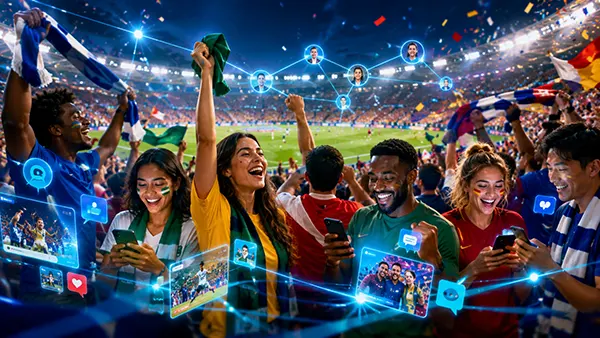
Fans tend to associate the values of their favourite teams with partner brands. If a club is known for professionalism and fair play, these qualities are often projected onto its sponsors. This psychological transfer plays a key role in shaping trust without direct interaction with the casino itself.
In 2026, this effect is amplified by social media integration. Players regularly encounter sponsored content, interviews, and branded campaigns featuring athletes, which makes the connection feel more authentic and less transactional.
However, transparency remains essential. Clear communication about the nature of partnerships helps avoid confusion and ensures that users understand the commercial relationship rather than assuming full endorsement.

Regulation and Responsible Messaging in 2026
Regulators across Europe have introduced stricter rules governing gambling sponsorships in sports. These rules focus on responsible advertising, age restrictions, and the clarity of promotional messages. As a result, partnerships today are more controlled and structured than in previous years.
Operators are required to include responsible gaming messages in campaigns linked to sports events. This not only protects users but also contributes to a more balanced perception of the industry, where entertainment is combined with awareness.
Another important aspect is data protection and financial transparency. Casinos involved in major sports partnerships are often subject to additional scrutiny, which indirectly reassures users about the safety of transactions and personal information.
Long-Term Impact on Player Behaviour
Over time, consistent presence in sports environments builds a sense of legitimacy. Players are more likely to return to brands they recognise from trusted contexts, especially when those brands maintain stable partnerships over several seasons.
At the same time, users have become more informed. They no longer rely solely on logos or sponsorships but combine this information with reviews, licensing details, and personal experience. This creates a more balanced decision-making process.
Ultimately, sports partnerships in 2026 do not replace traditional trust factors but reinforce them. When combined with clear policies and user-focused communication, they contribute to a more transparent and predictable experience for players.
Last posts
-
 Log File Analysis for AI Bots: How to Chec...
AI crawlers are now a regular part of …
-
 Prediction Markets vs Bookmakers: How Kals...
Sports advertising in 2026 is no longer shaped …
-
 How to Turn the World Cup 2026 Attention S...
The FIFA World Cup 2026 ended on 19 …