

Audio Content in Sports Marketing: Podcasts, Voice Formats and New Ways to Engage Fans
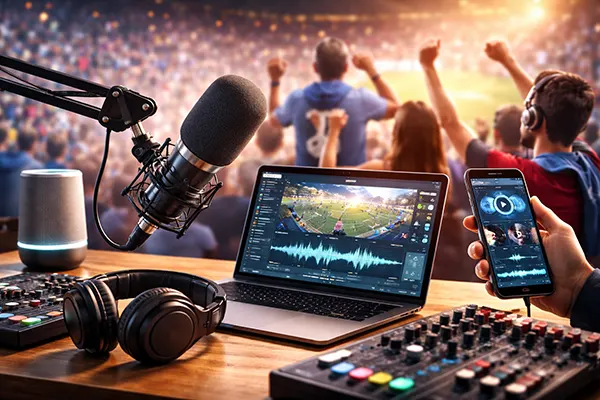
Audio has become one of the most flexible tools in sports marketing, allowing clubs, leagues and sponsors to build a deeper connection with audiences beyond live broadcasts. From long-form podcasts to short voice updates and smart speaker integrations, brands are reshaping how fans consume information and interact with their favourite teams. By 2026, audio is no longer an auxiliary channel but a strategic layer that supports loyalty, storytelling and monetisation across multiple touchpoints.
The Role of Podcasts in Building Long-Term Fan Engagement
Podcasts have established themselves as a reliable format for delivering in-depth sports narratives. Clubs and leagues use them to share behind-the-scenes stories, tactical insights and interviews that are rarely available in traditional media. This approach strengthens trust, as fans gain access to authentic voices within the organisation rather than filtered press statements.
Another important factor is consistency. Weekly or bi-weekly podcast releases create a predictable rhythm that keeps fans returning regularly. This habitual listening builds a sense of community, especially when hosts engage with fan questions or reference ongoing discussions from previous episodes. Over time, the podcast becomes part of the fan’s routine, similar to following match schedules.
Monetisation also plays a role. Sponsorship integrations within podcasts are often more effective than standard ads because they are delivered in a conversational tone. Brands benefit from higher listener retention, while clubs maintain control over messaging without disrupting the audience experience.
How Sports Organisations Structure Successful Podcast Strategies
Successful sports podcasts are rarely improvised. They are built around clear editorial plans that align with the season calendar, key matches and transfer periods. Content planning ensures that each episode has a purpose, whether it is analysing performance, introducing new players or discussing fan culture.
Host selection is equally important. Many organisations combine professional presenters with former athletes or insiders to balance storytelling with expertise. This mix helps maintain credibility while keeping the tone accessible for a broad audience.
Distribution strategy is another critical element. Podcasts are published across multiple streaming services, club apps and websites, ensuring maximum reach. Some teams also integrate audio snippets into social media content, extending the lifecycle of each episode.
Voice Technologies and Real-Time Interaction with Fans
Voice technologies have expanded the role of audio beyond passive listening. Smart speakers, voice assistants and in-app audio features allow fans to request match updates, player statistics or news simply by speaking. This hands-free interaction is particularly relevant during live events or multitasking situations.
Sports organisations are increasingly developing voice-enabled experiences tailored to their audiences. For example, fans can receive personalised match briefings, reminders or post-game summaries. These interactions create a sense of immediacy that traditional written content cannot match.
Another development is the integration of voice features into official club applications. Instead of navigating menus, users can access information through simple commands, reducing friction and improving user experience. This shift reflects broader changes in digital behaviour, where speed and convenience define engagement.
Challenges and Opportunities in Voice-Based Fan Communication
Despite its potential, voice interaction presents challenges. One of the main issues is content accuracy in real time, especially during live matches. Any delay or incorrect information can quickly affect trust, making reliable data integration essential.
Privacy concerns also need careful attention. Voice-enabled services collect user data, and organisations must ensure transparent policies and secure handling of personal information. This aspect directly influences how comfortable fans feel when adopting new features.
On the opportunity side, voice technology enables personalisation at scale. By analysing user preferences, clubs can deliver tailored updates, such as favourite team alerts or player-specific news. This level of relevance increases engagement and encourages repeated use.
Emerging Audio Formats and Their Impact on Fan Behaviour
Short-form audio is gaining popularity alongside traditional podcasts. Platforms now support quick updates, match reactions and micro-commentary that can be consumed in under a minute. These formats fit modern consumption habits, where attention spans are shorter and content is accessed on the go.
Live audio rooms have also become a space for fan interaction. Supporters can join discussions, share opinions and react to matches in real time. This creates a sense of participation that goes beyond passive viewing, turning fans into active contributors to the conversation.
Another trend is the use of audio in immersive experiences. Some clubs experiment with spatial audio and enhanced commentary for virtual or augmented environments. While still developing, these formats suggest new ways to experience matches without being physically present at the stadium.
Integrating Audio into a Broader Sports Marketing Strategy
Audio works best when it complements other channels rather than replacing them. Clubs often combine podcasts with video highlights, written analysis and social media campaigns to create a cohesive content ecosystem. Each format serves a specific purpose while reinforcing the overall narrative.
Data analysis plays a central role in optimisation. By tracking listening patterns, drop-off points and user preferences, organisations can refine their content strategies. This evidence-based approach ensures that resources are allocated to formats that deliver measurable results.
Looking ahead, audio will likely become even more integrated into fan journeys. From personalised match-day briefings to interactive voice-driven experiences, the focus will remain on convenience, relevance and authenticity. Sports brands that invest in these areas are better positioned to maintain long-term relationships with their audiences.
Last posts
-
 Log File Analysis for AI Bots: How to Chec...
AI crawlers are now a regular part of …
-
 Prediction Markets vs Bookmakers: How Kals...
Sports advertising in 2026 is no longer shaped …
-
 How to Turn the World Cup 2026 Attention S...
The FIFA World Cup 2026 ended on 19 …